11/22/2026

Several First-Hand Aid groups have traveled this year—and we can report that there is an

unprecedented humanitarian and economic collapse across Cuba. A year ago, we said the same

thing; we wonder whether it really can be worse?

Yes.

With wide-scale power grid collapses, acute shortages of basic medicine and food, record-high

migration rates, as well as governmental shortages and intensified US sanctions, Cuba faces its

most severe crisis since the fall of the Soviet Union, during the “Special Period,” in the 1990’s.

Now, daily life for people across the island has been severely impacted:

 In a year, the exchange rate has gone from 250 pesos to one US Dollar to 1,000 pesos to

$1. When a doctor in Cuba earns 16,000 pesos a month ($16.00) and gasoline, for

instance, is $26 a gallon, there is, literally, nothing that doctor can buy, unless they

receive some assistance from someone else.

● Over this past year, trash heaps have grown on many street corners; this month we saw

people combing through the trash, looking for food.

● A year ago, it was dark at night with no power; now it is also increasingly dangerous to

be out on the street at night because of the darkness.

● Most gas stations remain closed; the lines to get gas, now imported by private

companies to newly authorized Cuban private companies, are still 3 hours long.

○ Supply disruptions from traditional partners have left the island unable to meet

baseline energy generation requirements, paralyzing transport, agriculture, and

commerce.

● Most Cuban households receive two hours of power a day. Many are cooking with

charcoal.

○ Without power, municipal pumps do not provide water nor pressurized cooking

gas to homes and, of course, air conditioners do not work when even in winter

temperatures can be warm.

● Hospitals face severe deficits of basic supplies, ranging from essential antibiotics and

painkillers to basic surgical tools.

● The United States continues to place pressure on the island by enforcing embargos and

blockades of supplies to the island.

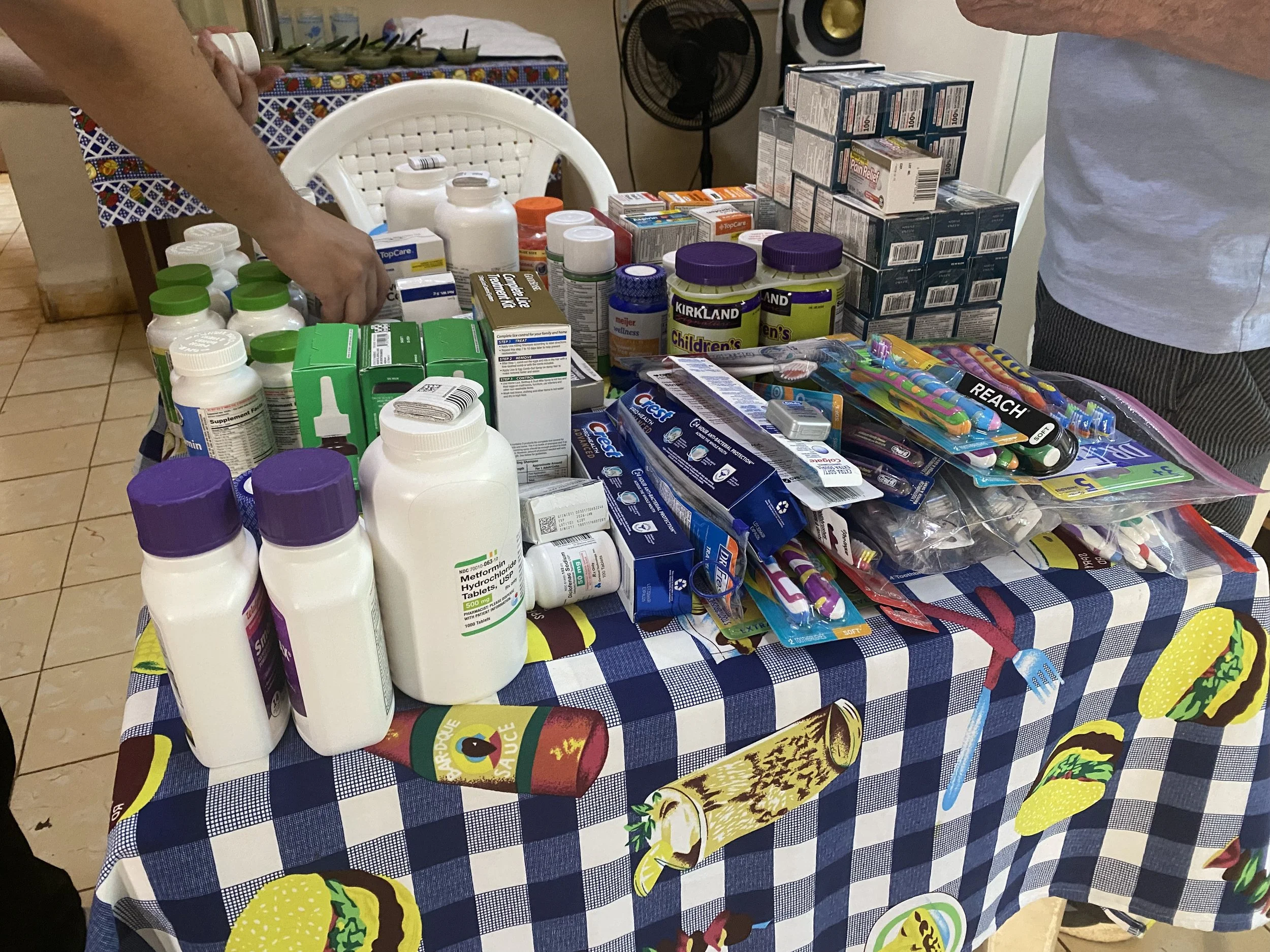
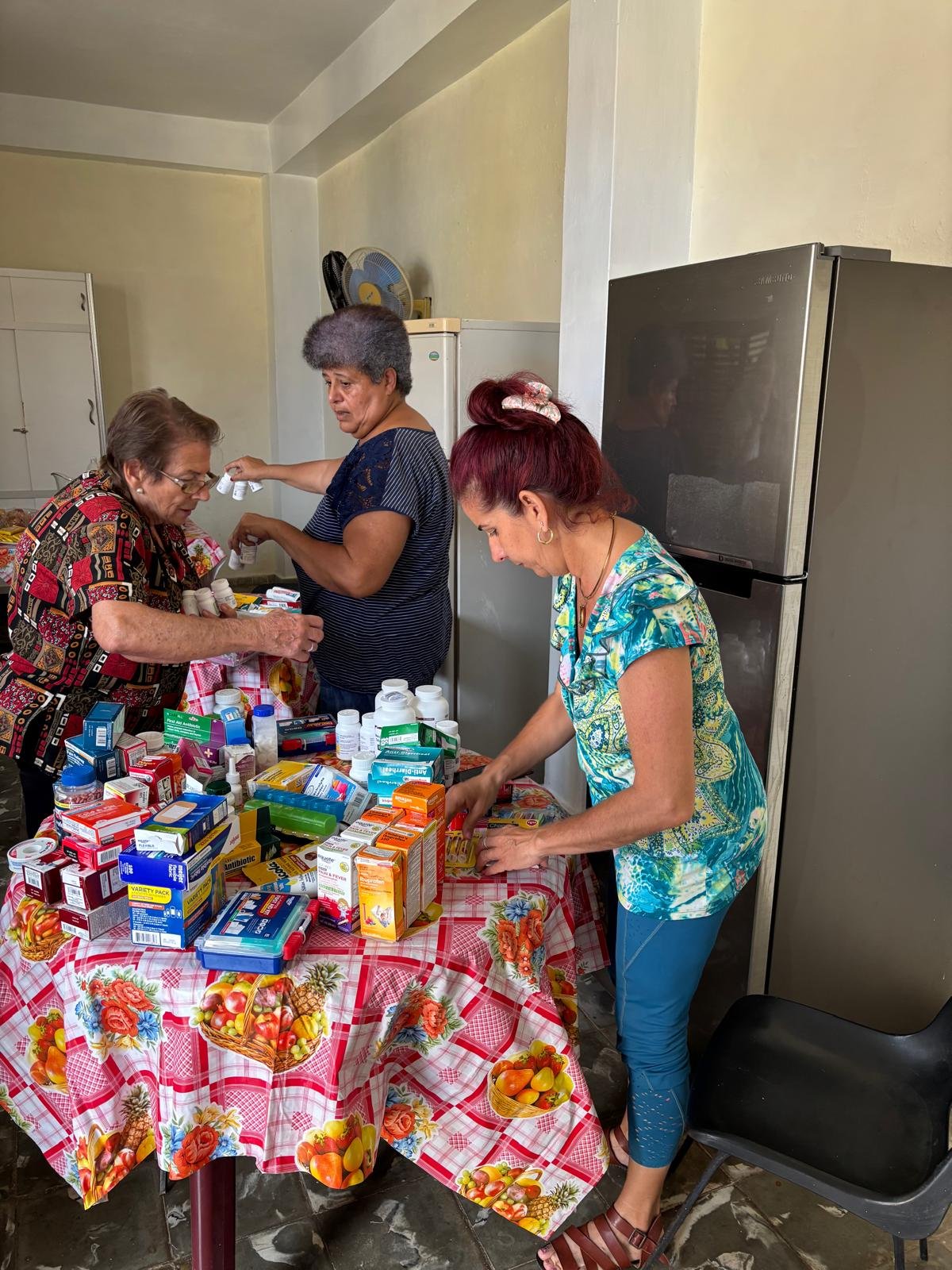
First-Hand Aid Volunteers bring medicine and funds for medicine dispensaries housed in

congregations that function as community centers. Our food programs operate to serve

children, frail adults, and other at-risk families. And, in so doing, they bring hope, build

understanding and deepen relationships.

We invite you to join the effort—to be a travel volunteer, to provide funds or medicine, to

provide hope for those in tremendous need.

 Welcome to our little place in the massive world wide web.  Like our mission,

this website is created with love and curated by the numerous volunteers who have

helped this great organization grow.


First-Hand Aid’s mission:


To Gather and Distribute Humanitarian and Medical Aid to the Most Marginalized Cubans Giving Them Hope, Dignity, and the Necessities of Life and Health.

First-Hand Aid is committed to making our humanitarian and medical aid efforts accessible. Our mission to support the most marginalized Cubans remains at the forefront, and we strive to ensure that our initiatives can be easily accessed and engaged with on the go.

Cuba is a vibrant country with a rich heritage. However, our island neighbors struggle daily to find enough food, modern medicine, and safe living conditions. Families struggle to make ends meet and put food on their tables. Store shelves are empty, and the black-market trade puts Cubans in constant danger although at times this might be the only way to procure food and medicine needed for daily life.

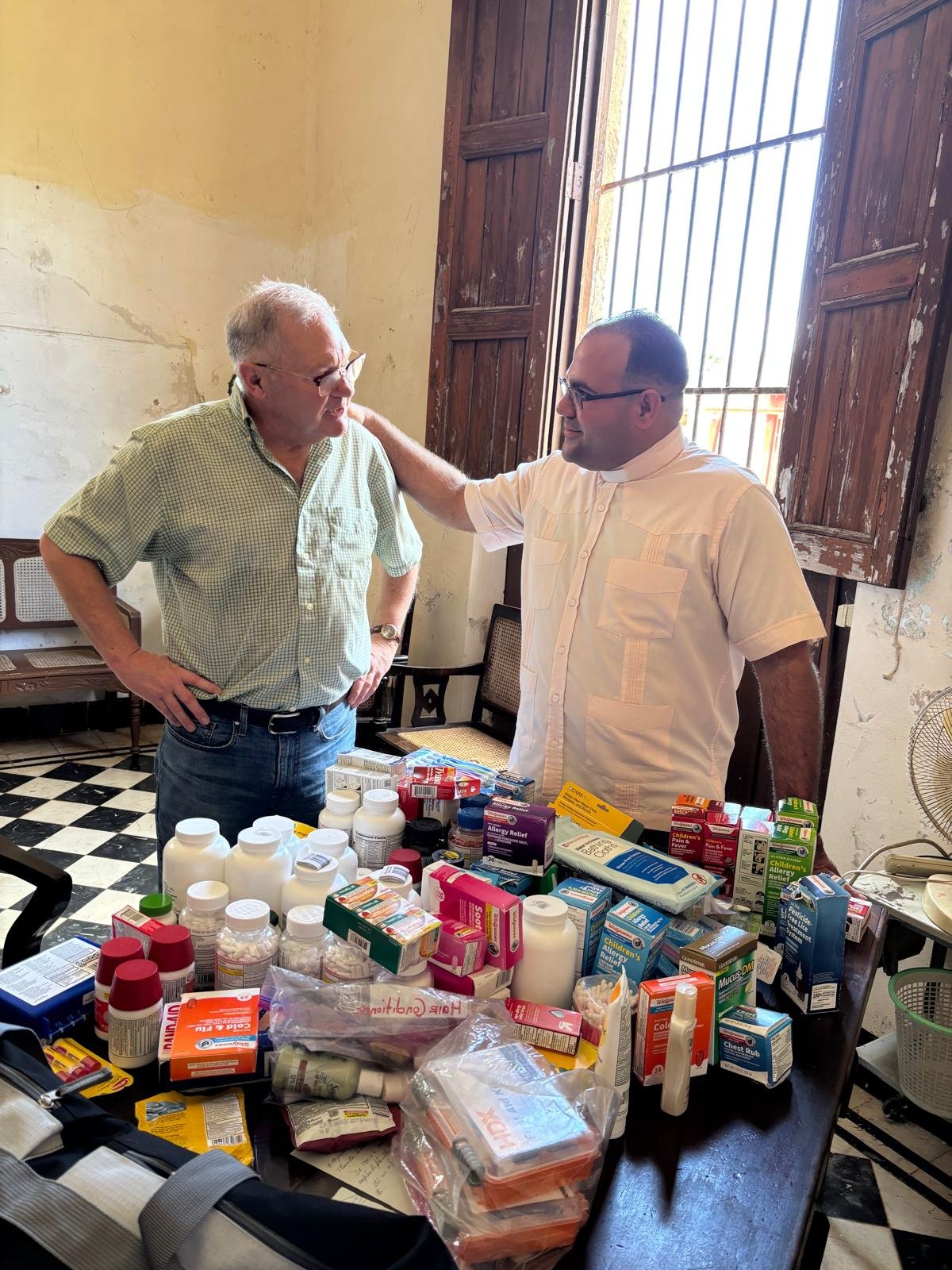
At First-Hand Aid, we reach out and lend a helping hand. We provide much-needed humanitarian aid to the children, families, and healthcare professionals in Cuba. We also provide a personal touch and build lasting relationships with the Cuban people because our volunteers travel to Cuba and deliver medical supplies and support in person.

We achieve this by personally carrying the items needed to achieve the above objectives. We interact with doctors, clergy, and Cubans to understand and provide for their needs.

We place our medicines in 7 locations around Havana and in the surrounding rural areas of Havana. These are supervised by local Cuban doctors who volunteer their services and give us a keen idea of the needs of the people in that area.

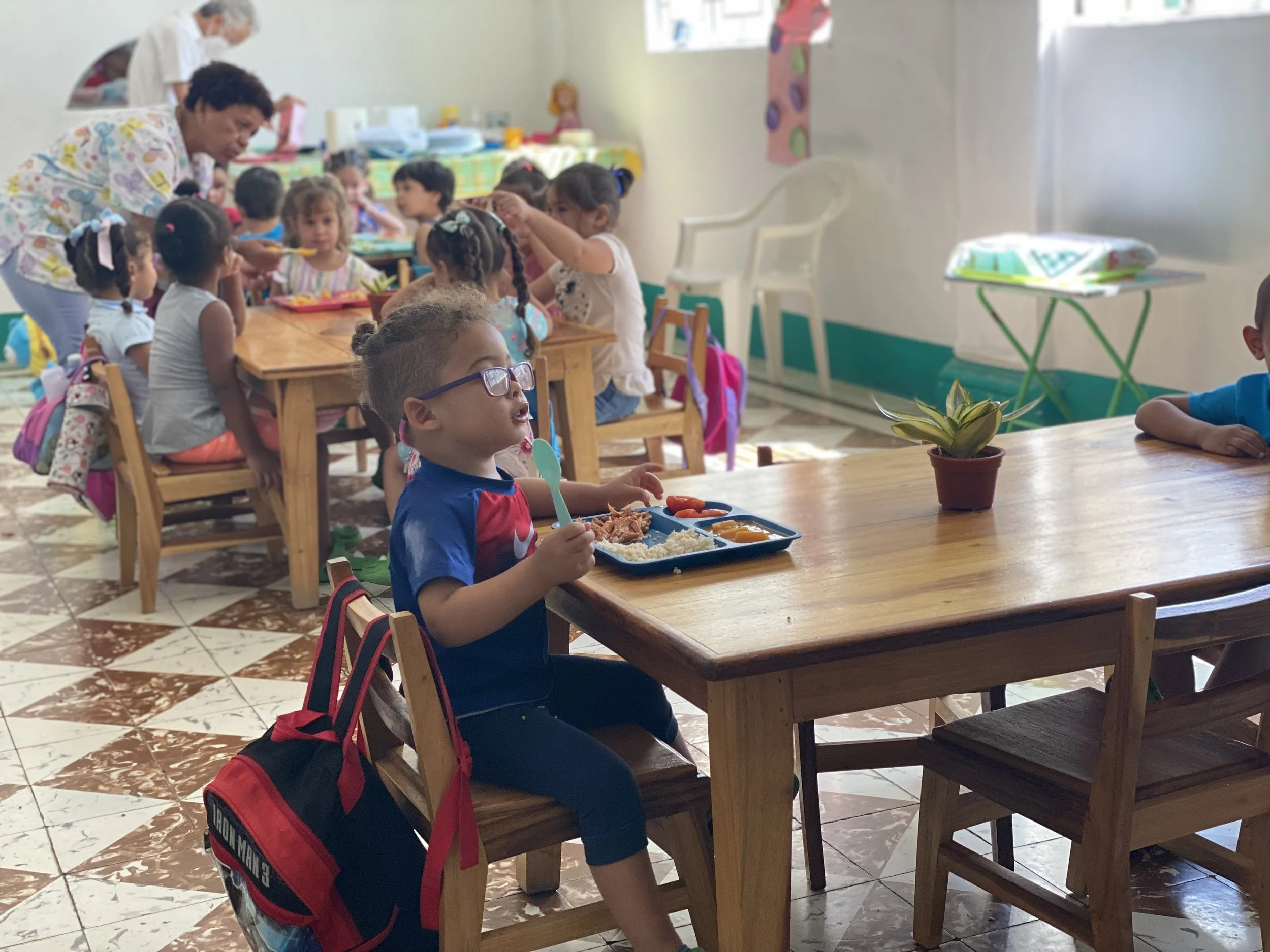
First Hand Aid also assists in providing food three times a week to shut-ins who do not have the ability to leave their homes to get food. This along with providing food for 40 preschool children from impoverished neighborhoods. Both these groups are also monitored by volunteer physicians for their individual health.

For 25 years we have immersed ourselves in Cuban culture to have a direct understanding of what the needs are of the Cubans. We have found this to be a successful formula for helping people.

We are thankful for the many volunteers who have given their time and service to us in the effort of helping. Also, the many donors who provided the funds to continue our work.

I hope you take the time to go through this site and learn about this organization.

Sincerely,

Marc Bohland

Founder and Executive Director

First-Hand Aid

“When love comes to the rescue”

IMG_6665.jpg


Check out pictures from our last mission